What are the pillars of Islam?

Team BookMyUmrahTrip
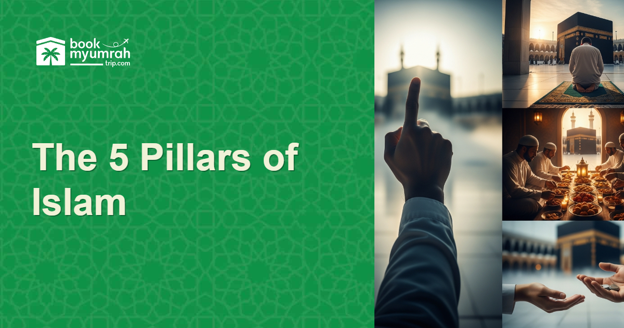
Muslims' 5 Pillars of Islam aren’t physical columns. But just like pillars hold up a roof, these five acts hold up a Muslim’s faith. The religion would lack structure without them.
They're the foundation of a Muslim's life. It shapes their relationship with Allah and the community. They shape daily life.
They teach discipline, compassion, and purpose. In this blog, let's try to understand the pillars of Islam.
Understanding the Foundation: What are the 5 Pillars of Islam?
They are the core acts of worship expected from every Muslim. The Prophet Muhammad (PBUH) said that Islam is built on five things. These five are the spiritual foundation of a Muslim’s relationship with Allah.
The 5 Pillars of Islam become second nature over time. A Muslim prays without thinking twice. They give charity automatically each year. The basic beliefs of Islam start in the heart. But these pillars turn belief into action.
Shahadah: The Sincere Declaration of Faith
The first pillar of Islam- Shahadah. A person enters Islam by saying this with full conviction. The Shahadah shows the basic belief in Islam in one short sentence. i.e., “There is no god but Allah, and Muhammad is His messenger.”
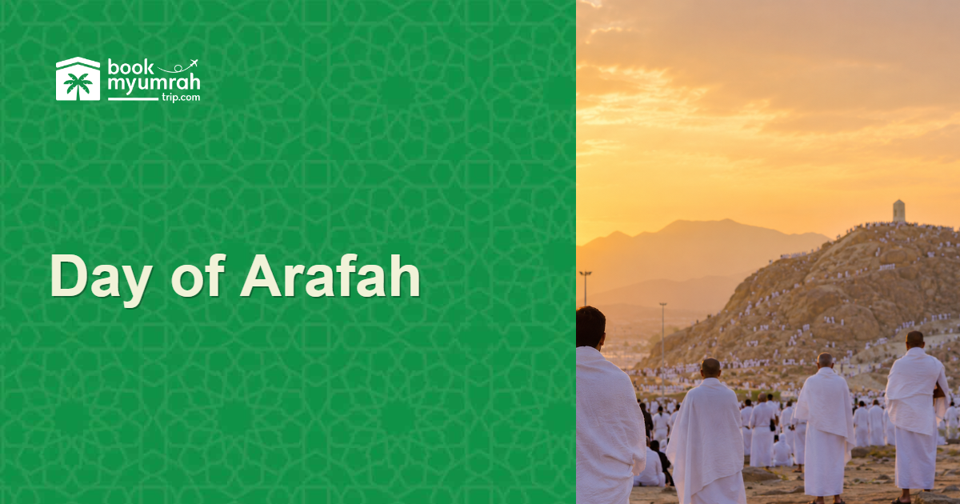
Muslims repeat the Shahadah in every prayer. Whisper it to a newborn. And hope to be their last words before death. It means being a Muslim, you're proud:
To claim your identity as a follower of Islam.
Embrace its teachings and practices with confidence and faith.
To state that Islam is your way of life.
To be committed to its principles and values.
The other four pillars follow after you enter.
Salah: Establishing Connection Through Five Daily Prayers
The second pillar of Islam: Salah- the daily prayers. Every Muslim must offer Salah. Each prayer takes five to ten minutes. Each prayer takes five to ten minutes.
For Salah, it is required to be in the state of ablution and face towards the Kaaba in Macca.
Work, family, stress, and entertainment take you away from Allah. Salah brings you back. You stop whatever you are doing and then stand before Allah and recite the Quran.
These Islamic practices and rituals change your character over time. Salah keeps your faith fresh and alive, shaping you into a better you. It totally makes sense, it's the second pillar, keeps the faith vibe going strong.
Zakat: The Spiritual Importance of Almsgiving and Charity
The third pillar of Islam: Zakat- means purification. It is the purification of one's earnings. In practice, it is mandatory charity 2.5% of savings kept for a full lunar year. This is not optional. Zakat will help to fight economic inequality.
The eight categories are: Fuqara (the poor). As these categories are mentioned in Surah At Tawbah (9:60).
Masakīn (the needy)
Amīlīn (those employed to administer zakat)
Muallafat-ul-qulūb (those whose hearts are to be reconciled)
Riqāb (those in bondage or captives)
Gārimīn (those in debt)
Fī Sabīlillāh (those in the path of Allah, like mujahideen)
Ibn us Sabīl (travelers or wayfarers in need)
When you give your money away with the thought that it all belongs to Allah (S.W.T.), it cleanses your heart from greed. These Islamic practices and rituals do so.
Sawm: Discipline and Devotion Through Fasting in Ramadan
Sawm is the fourth pillar of Islam. It means not eating. Fasting is made obligatory for Muslims. After sighting the moon, Muslims start fasting for the full month of Ramadan. During the day, from dawn to sunset, some restrictions are there such as eating, drinking, or having sex. Sawm is not limited to skipped meals. It teaches you how to control yourself.
Fasting is one of the hidden ibaadah among the 5 Pillars of Islam. Only Allah will know whether you have fasted or drank water without telling anyone.
When you fast, it helps you to develop patience. You will analyze the hunger of the poor. It also helps you to be away from bad habits.
Hajj: The Life Changing Pilgrimage to the Holy City of Mecca
The fifth pillar of Islam: Hajj. It is a pilgrimage to Mecca.
One time obligation for physically and financially capable Muslims.
Annual event with millions of participants.
All the rituals replicate Prophet Muhammad's (PBUH) sunnah.
Pilgrims wear simple white Ihram attire.
Hajj shows equality. Kings and janitors stand side by side in identical clothes, sleeping on the ground. No one is better except in piety. The spiritual foundation of Islam is visible during Hajj. The Ummah moves as one body. It erases past sins and returns a person to a pure state. Even if you never go, knowing Hajj exists shapes a Muslim’s understanding that life is a journey to Allah.
Also, performing Umrah in the month of Ramadan is equivalent to Hajj in terms of rewards.
Why the Pillars are Essential to a Muslim’s Daily Life
The Five Pillars of Islam are lived every day. A Muslim offers five days of prayer. They pay Zakat once a year. They fast every Ramadan. They save for Hajj over a lifetime. These five pillars of Islam in order, when practiced by Muslims, they work together to develop faith.
If you ask a Muslim, “What are the Pillars of Islam?” They can recite them easily. Salah tests your time management. Zakat tests your attachment to money. Sawm tests your discipline. Hajj tests your patience and financial endurance.
Thus, the five pillars of Islam in order together mould a person. And also helps them to be humble and generous. And make themselves disciplined. That's the ultimate goal of worship – shaping character and inner strength
FAQs
Why are they called the "pillars" of Islam?
A building without pillars collapses. It will lose its shape and can't withstand challenges. The five pillars of Islam are structural supports to hold up a Muslim's faith and life.
Do the five pillars come up in the Quran?
All the pillars come up in the Quran. And, we will get the sequence of these five pillars from the Hadith.
What if a Muslim can't do one of the pillars because they don't have enough money or are sick?
Islam is very simple. For fast: If a sick person misses his fast, they can feed a poor person for each day they miss. For someone who can't afford Hajj, it's not considered a sin. The Five Pillars of Islam are not retributions. They are things to work toward.
What order should the five pillars be done in?
The order of the Five Pillars of Islam is:
Shahadah
Salah
Zakat
Sawm
Hajj
You only do Shahadah once when you enter. Salah happens every day. Every year, Zakat is due. Sawm happens once a year. Hajj is a once in a lifetime obligation.
What effect do the five pillars have on a Muslim's personality and daily life?
Five times a day, prayers get discipline in their lives. Giving Zakat teaches you how to be kind. Fast helps to develop self-control. A pilgrim goes back home with a new sense of purpose. These basic beliefs of Islam shape your actions based on what you believe.